.png)
What is Post-Acute Care and Why it Matters in Today’s Healthcare System

Post-acute care refers to the range of medical and rehabilitative services patients receive after leaving an acute care setting like a hospital but before they’re fully recovered or able to function independently at home. These services support patients as they regain strength, manage chronic conditions, and work toward a safe return to daily life.
This care is a critical bridge between intensive hospital treatment and full recovery. It includes services such as skilled nursing, physical and occupational therapy, home health care, and inpatient rehabilitation, each tailored to a patient’s individual needs.
One reason post-acute care is so important is its role in reducing hospital readmissions. In the U.S., the average 30-day hospital readmission rate, meaning a patient returns to the hospital within a month of discharge, sits at roughly 14.7% nationally. While this may sound modest, that figure represents millions of potentially preventable hospital returns each year, with associated stress for patients and costs for health systems.
High readmission rates matter for patients and providers alike. Readmissions are linked to higher risks of complications, medication errors, and poorer long-term outcomes, especially when care transitions are fragmented. They also place additional financial burdens on hospitals and insurers; the U.S. Centers for Medicare and Medicaid Services (CMS) has even tied readmission rates to reimbursement penalties as part of efforts to improve care quality.

Post-acute care helps address these challenges by ensuring continuity of care after discharge. By providing ongoing medical supervision, rehabilitation services, and coordinated care planning, post-acute support reduces gaps that can lead to complications and unnecessary returns to the hospital.
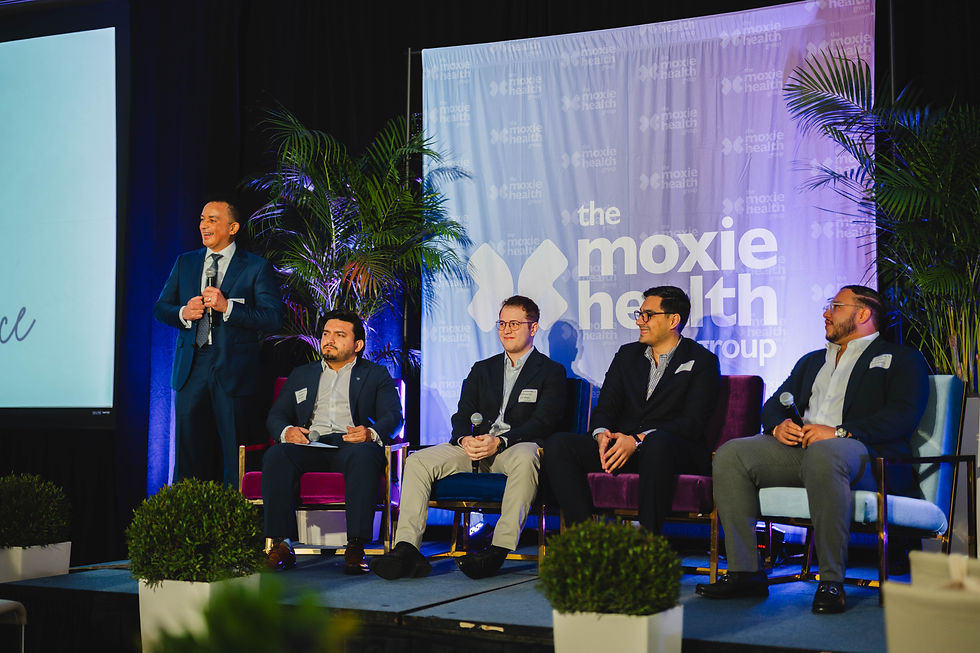
At The Moxie Health Group, post-acute care is central to this mission. We work alongside skilled nursing facilities, rehabilitation centers, and long-term care providers to support smoother care transitions, improve communication across care teams, and ensure patients receive the follow-up services they need after leaving the hospital. Through a combination of clinical coordination and technology-enabled workflows, The Moxie Health Group helps providers identify high-risk patients earlier, streamline documentation, and maintain continuity of care across settings.
As the U.S. healthcare system continues to evolve with an aging population and shifting care models, post-acute care stands out as a key component of effective care transitions.
To learn more about how The Moxie Health Group is helping strengthen care transitions and improve outcomes across post-acute settings, visit our website.


Comments